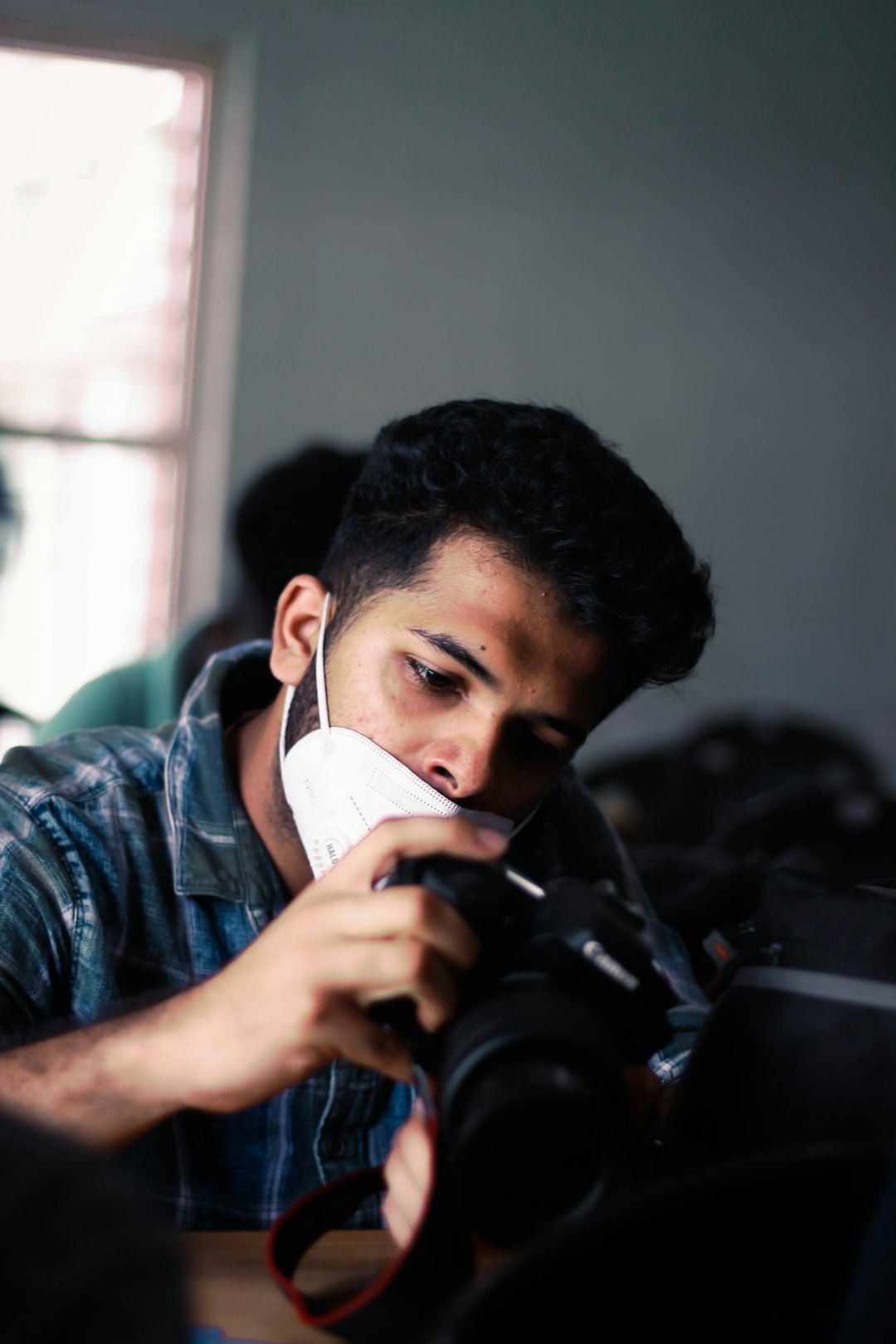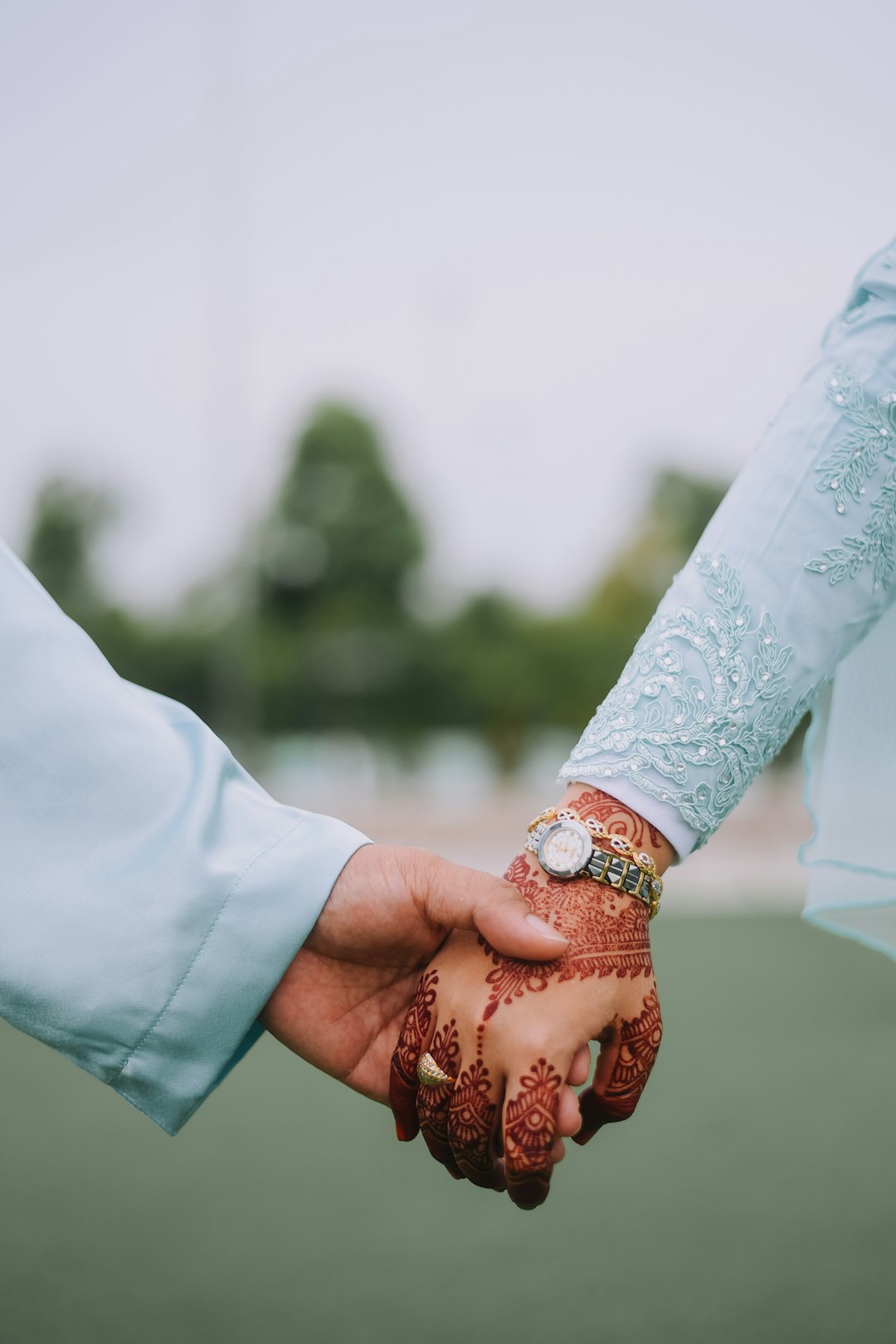
Wedding photography represents one of photography's most challenging and rewarding specializations. You're documenting one of life's most significant events, capturing moments that couples will treasure for generations. The pressure is immense—there are no retakes, no second chances to capture the first kiss or emotional vows. This comprehensive guide explores the essential skills, preparation strategies, and techniques that separate exceptional wedding photographers from the rest.
Pre-Wedding Preparation and Communication
Successful wedding photography begins weeks before the actual day. Schedule detailed consultations with your couple to understand their vision, preferences, and expectations. Discuss their style preferences—do they want traditional posed portraits, candid documentary coverage, or artistic editorial shots? Understanding these preferences guides your approach and ensures delivered images match their dreams.
Create comprehensive shot lists collaboratively with your clients. While experienced photographers know essential moments to capture, every wedding has unique elements the couple particularly values. Perhaps certain family combinations matter due to complex relationships, or specific decorative details deserve attention. Document these priorities to ensure nothing important goes unnoticed amid the day's chaos.
Visit venues before the wedding day whenever possible. Scout ceremony and reception locations, identifying optimal shooting positions, noting lighting challenges, and planning backup strategies for weather contingencies. This reconnaissance prevents you from scrambling on the wedding day, allowing confident, efficient work when time is precious.
Essential Equipment and Backup Systems
Wedding photography demands reliable equipment with comprehensive backup systems. Equipment failure during a wedding is catastrophic, making redundancy non-negotiable. Carry at least two camera bodies, preferably identical models so muscle memory works consistently when switching. If one fails, you continue shooting without missing critical moments.
Lens selection should cover all focal lengths you'll need. A fast 24-70mm f/2.8 serves as your workhorse for most situations. Add a 70-200mm f/2.8 for ceremony coverage and candid moments where you need distance. Include a 35mm or 50mm f/1.8 for low-light reception photography and artistic shallow depth-of-field shots.
Lighting equipment proves essential regardless of venue. External flashes with diffusers handle dark churches and evening receptions. Consider portable LED panels for video or continuous lighting needs. Always pack extra batteries for everything—cameras, flashes, and any other electronic equipment. Running out of power during a first dance is unacceptable and completely avoidable.
Memory card strategy requires careful planning. Use multiple smaller-capacity cards rather than single large ones. If a card fails, you lose only a portion of the day rather than everything. Bring far more capacity than you think necessary—shooting conservatively to preserve card space leads to missed moments. Storage is cheap; missing the perfect expression isn't recoverable.
Timeline Management and Key Moments
Understanding typical wedding timelines helps you anticipate and prepare for crucial moments. Arrive early for preparation coverage, capturing detail shots of dress, rings, flowers, and other elements while the wedding party gets ready. These quiet moments before ceremony chaos provide opportunities for careful composition and lighting.
Key ceremony moments demand your full attention and perfect positioning. The processional, vows exchange, ring exchange, first kiss, and recessional are non-negotiable captures. Position yourself to photograph both couple and guests' reactions—emotional responses from family and friends add depth to your storytelling.
Formal portraits typically happen between ceremony and reception, often during cocktail hour. Work efficiently with family groupings, having a helper organize people quickly. Create a shot list beforehand, systematically working through combinations without forgetting anyone. Speed matters here—extended portrait sessions make couples miss their own cocktail hour, creating stress.
Reception coverage balances candid moments with key events. First dance, cake cutting, toasts, and bouquet toss are obvious priorities. However, the genuine moments between these milestones often prove most meaningful—grandparents dancing together, children playing, guests laughing during toasts. Stay alert and ready throughout the reception.
Lighting Challenges and Solutions
Wedding venues present diverse lighting challenges, often within the same event. Dark churches with beautiful but dim ambient light require high ISO, wide apertures, and steady hands or monopods. Balance available light with subtle fill flash to maintain atmosphere while ensuring properly exposed subjects.
Harsh midday sun during outdoor ceremonies creates strong shadows and squinting subjects. Diffusers help soften direct sun on couples during portraits. Alternately, move subjects into open shade for more flattering light. If shooting in bright sun is unavoidable, position subjects so harsh light comes from behind, creating rim light while you fill their faces with flash or reflector.
Reception lighting varies wildly between venues. Elegant ballrooms might offer beautiful chandelier light that you can use creatively. Conversely, dark barns or tents require extensive additional lighting. Bounce flash off ceilings when possible for soft, natural-looking illumination. Direct flash works when necessary but add diffusion to soften the effect.
String lights, candles, and decorative lighting create romantic ambiance but insufficient exposure. Use these sources creatively as background elements while properly lighting your subjects with flash. Balance ambient and flash exposure to capture both the atmosphere and clear subject details.
Posing and Directing Efficiently
Efficient posing skills keep portrait sessions moving smoothly. Most couples feel awkward being photographed and need confident direction. Provide specific, clear instructions rather than vague suggestions. Instead of "stand naturally," say "angle your shoulders toward me, bring your hands together, and look at each other."
Create natural interaction rather than stiff poses. Prompt genuine emotion through prompts: "whisper something that made you fall in love" or "tell her what you're most excited about today." These interactions generate authentic expressions and body language that scripted poses cannot achieve.
For group photos, position people quickly and decisively. Arrange by height, placing shorter people toward the center front and taller individuals toward the edges and back. Check that everyone is visible and well-lit before shooting. Take multiple frames of each grouping—someone always blinks.
Capturing Candid Moments and Emotion
While formal portraits matter, candid moments often become couples' favorite images. Genuine laughter, tears during vows, joyful dancing, and quiet intimate moments tell the wedding's true story. Anticipate emotional beats—watch for mother-daughter interactions during preparation, father's expression seeing his daughter in her dress, couple's private moments between scheduled events.
Use longer lenses for candid photography to maintain distance that preserves natural behavior. When subjects notice your camera, they often stiffen or pose. Shooting from moderate distance with telephoto lenses lets you document authentic moments without intrusion.
Continuous shooting mode helps capture peak emotion in rapidly changing expressions. The perfect laugh or tear happens in fractions of a second. Shooting bursts increases your chances of capturing precisely the right moment.
Working with Difficult Conditions
Challenging situations arise at most weddings. Perhaps the timeline runs late, compressing portrait time. Maybe weather forces outdoor ceremonies indoors. Difficult family dynamics might create tension. Professional wedding photographers adapt smoothly to whatever circumstances arise.
When timelines compress, prioritize ruthlessly. Capture absolutely essential shots first—couple portraits and immediate family. Extended family and creative portraits can be sacrificed if necessary. Communicate changes and their implications to couples so they make informed decisions about time allocation.
Weather backup plans prove essential for outdoor weddings. Scout indoor alternatives during venue visits. Bring clear umbrellas for rain that allow continued outdoor shooting in light precipitation. Embrace challenging weather creatively—dramatic storm clouds or soft rain can create unique, memorable images.
Navigate family tensions diplomatically and professionally. You'll encounter divorced parents who won't photograph together, family feuds, or other difficult dynamics. Handle these situations tactfully, following the couple's wishes while remaining neutral and professional regardless of circumstances.
Second Shooters and Team Coordination
Second shooters provide invaluable coverage for weddings. While you photograph the ceremony from front, your second shooter captures guest reactions from the back. During preparation, one photographer covers the bride while the other documents the groom. This dual coverage ensures comprehensive documentation of simultaneous moments.
Coordinate clearly with second shooters before the wedding. Discuss coverage division, communication signals, and equipment sharing if needed. Review their work beforehand to ensure compatible style and quality standards. Their images represent your brand equally with your own.
Assistants who don't shoot still provide enormous value. They can wrangle family members for group shots, carry backup equipment, manage lighting, and handle countless logistical details that otherwise distract you from photography.
Post-Production and Delivery
Wedding editing requires balancing efficiency with quality. Develop streamlined workflows using presets for consistent color grading while still individually adjusting each delivered image. Clients expect every image to be carefully edited, not just bulk-processed.
Typical wedding deliveries include 400-800 edited images for full-day coverage, though this varies by shooting style and package. Cull ruthlessly, delivering only images where subjects look good, exposure is correct, and composition is intentional. Quality matters more than quantity.
Deliver images through professional online galleries that allow easy viewing, downloading, and ordering prints. Include both high-resolution files and web-optimized versions. Clearly communicate delivery timelines—typically 4-6 weeks for wedding galleries allows thorough editing without rushing.
Building Client Relationships
Exceptional wedding photography extends beyond technical skill to include outstanding client service. Respond promptly to inquiries and questions. Be organized, professional, and reliable throughout the planning process. Your demeanor on the wedding day affects the atmosphere—stay calm, positive, and confident even when challenges arise.
Exceed expectations through small touches. Perhaps deliver a sneak peek of highlights within 48 hours, letting couples share images while excitement is fresh. Include unexpected bonuses like beautifully designed albums or print credits. These extras create delighted clients who provide referrals and testimonials.
Continuous Learning and Growth
Wedding photography evolves constantly with changing trends, technologies, and client expectations. Invest in continuing education through workshops, mentorships, and studying work of photographers you admire. Each wedding you shoot teaches valuable lessons—analyze what worked well and what you'll improve next time.
Build relationships with other wedding vendors—planners, florists, venues, and caterers. These connections provide referrals and make you a stronger vendor team member. Attend industry events, contribute to community, and maintain visibility in your market.
Conclusion
Wedding photography demands technical excellence, artistic vision, interpersonal skills, and grace under pressure. The responsibility of documenting life's most significant celebrations is profound, but the reward of creating treasured memories makes every challenge worthwhile. Prepare thoroughly, invest in reliable equipment, master your technical skills, and always prioritize your couples' experience and vision. With dedication and practice, you'll develop the expertise to consistently deliver beautiful, emotional wedding galleries that couples cherish for lifetimes. Your role extends beyond photographer to trusted documenter of love stories—an honor and responsibility that makes wedding photography endlessly fulfilling for those who pursue it with passion and professionalism.